How Design Choices Influence Energy, Health, and Stability
Design Is Not Just Aesthetic
In modern architecture, colors and materials are often chosen purely for visual appeal. Vastu Shastra views them differently. In classical Vastu, every color, material, and shape interacts with human psychology, elemental balance, and environmental energy.
At Vastu Verma, Anil Verma emphasizes that design choices should support the structure, not compensate for structural mistakes. When colors and materials are chosen in harmony with direction and purpose, they quietly strengthen health, clarity, and stability.
How Colors Influence the Human Mind
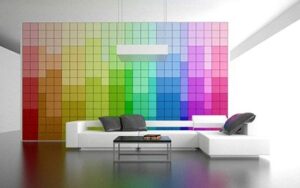
Color directly affects the nervous system. This is why hospitals use calm tones and why harsh colors increase restlessness.
In Vastu Shastra, colors are used to support existing energy, not to force change.
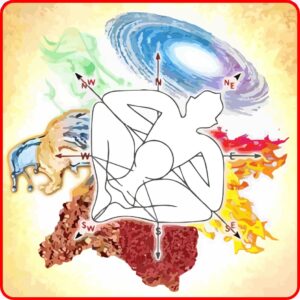
Direction-Based Color Guidance
- North & East: Light shades (white, cream, light green, pale blue)
Support clarity, openness, and opportunity. - South-East (Fire Zone): Warm tones (soft yellow, light orange)
Support digestion, action, and financial movement. - South-West: Earthy shades (beige, light brown, sand tones)
Support stability and grounding. - West: Muted tones (off-white, soft grey, pastel shades)
Support creativity and completion.
Excessively dark or aggressive colors disturb balance over time.
Misuse of Colors in Modern Interiors
Common mistakes observed by Anil Verma include:
- Using dark colors in the north or north-east
- Excessive red in bedrooms
- Overuse of black for “modern” appeal
Such choices may look attractive initially but often correlate with fatigue, irritation, or emotional heaviness.
Materials and Elemental Balance
Materials represent elements:
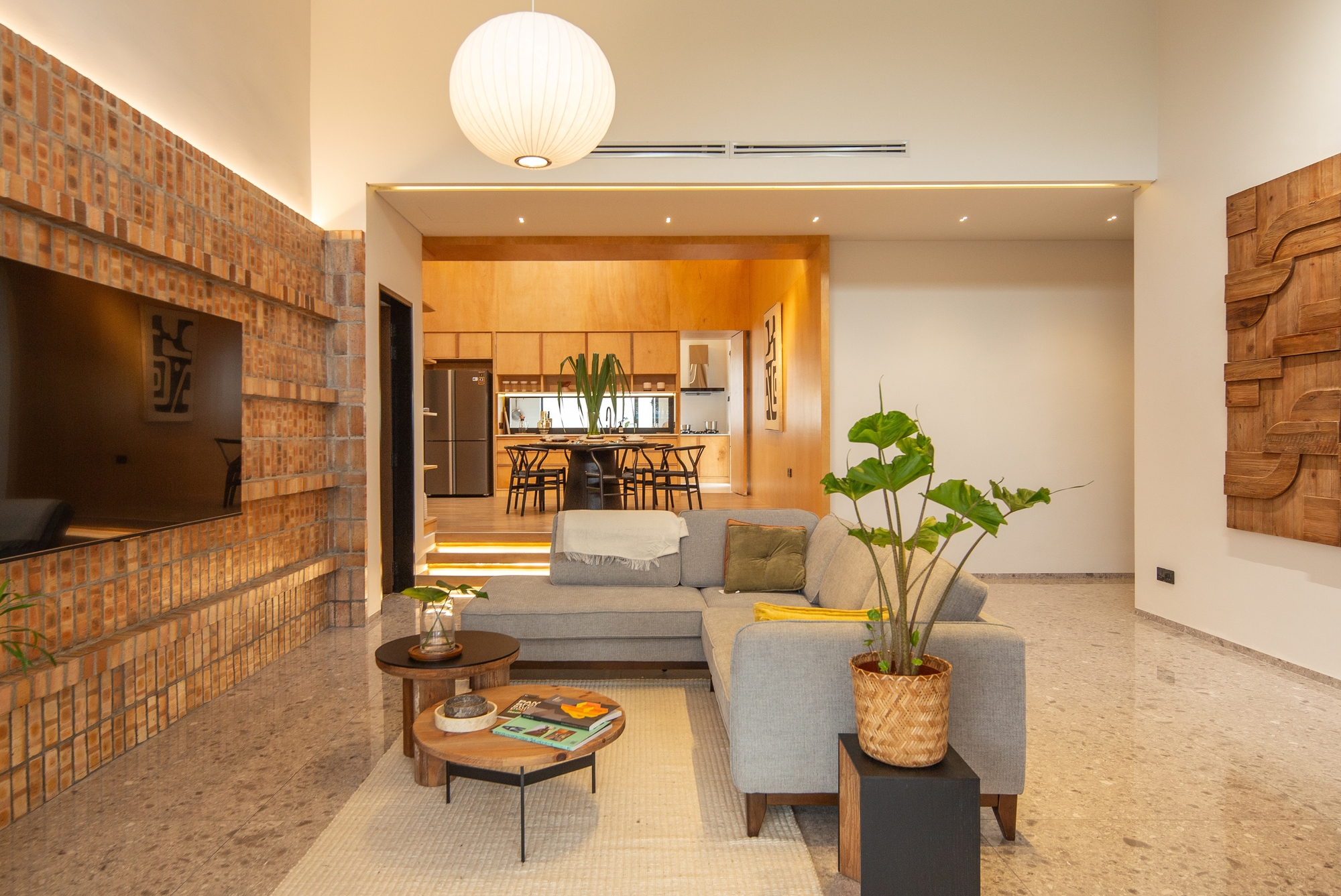
- Stone, brick, clay: Earth element
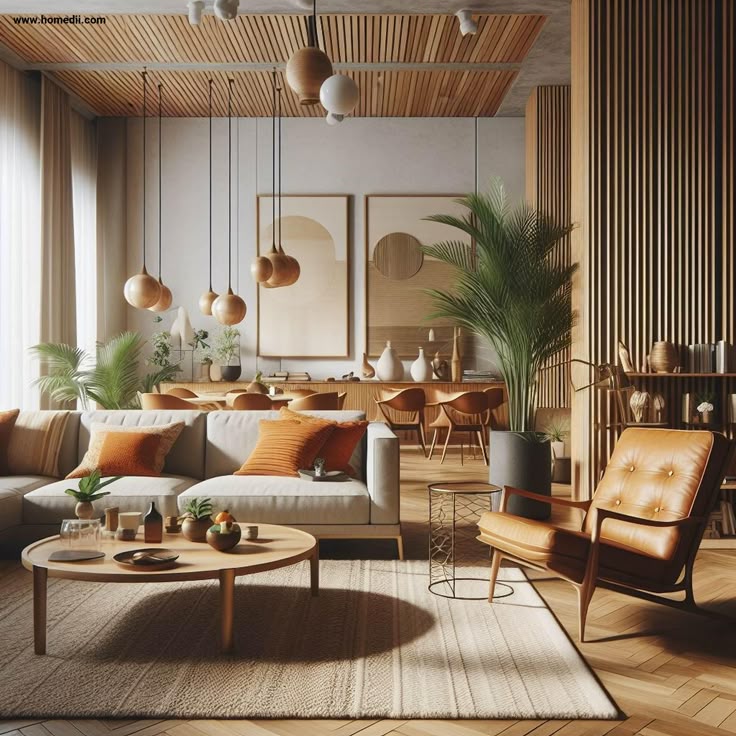
- Wood: Air and earth balance
- Metal: Air and space
- Glass: Space and water
Natural materials stabilize energy. Excessive synthetic materials may increase restlessness and stress.
At Vastu Verma, preference is always given to natural, breathable materials wherever practical.
Shapes and Their Impact on Energy Flow
Preferred Shapes
- Square and rectangle
These allow smooth and predictable energy circulation.
Shapes to Handle Carefully
- Triangles
- Sharp angles
- Irregular layouts
Sharp angles often correspond with conflict, tension, or pressure.
Design vs Structural Correction
Colors and materials cannot fix structural defects. They can only enhance a balanced structure.
Classical Vastu never replaces correction with decoration.
Practical Design Guidance from Vastu Verma
Anil Verma advises:
- Keep design calm and purposeful
- Avoid excess
- Let light dominate, not color
- Respect direction first, décor later
Colors, materials, and shapes are subtle but powerful supporters of Vastu. When used responsibly, they enhance comfort, clarity, and stability without drama or superstition.
Role of Colors, Materials, and Shapes in Vastu Shastra
How Design Choices Influence Energy, Health, and Stability
Colors, materials, and shapes are subtle but powerful supporters of Vastu. When used responsibly, they enhance comfort, clarity, and stability without drama or superstition.