
Vastu Shastra: Beyond Belief, Toward Balance
Vastu Shastra is one of the most misunderstood sciences in modern times. Often reduced to superstition or fear-based advice, its true depth and responsibility are rarely explained correctly. In its classical form, Vastu Shastra is a systematic science of spatial alignment, rooted in natural law and observation.
At Vastu Verma, under the guidance of Anil Verma, Vastu is practiced not as a shortcut to miracles but as a long-term support system for life. When applied correctly, Vastu does not change destiny—it removes environmental resistance so that effort begins to yield proportionate results.
Meaning of Vastu Shastra
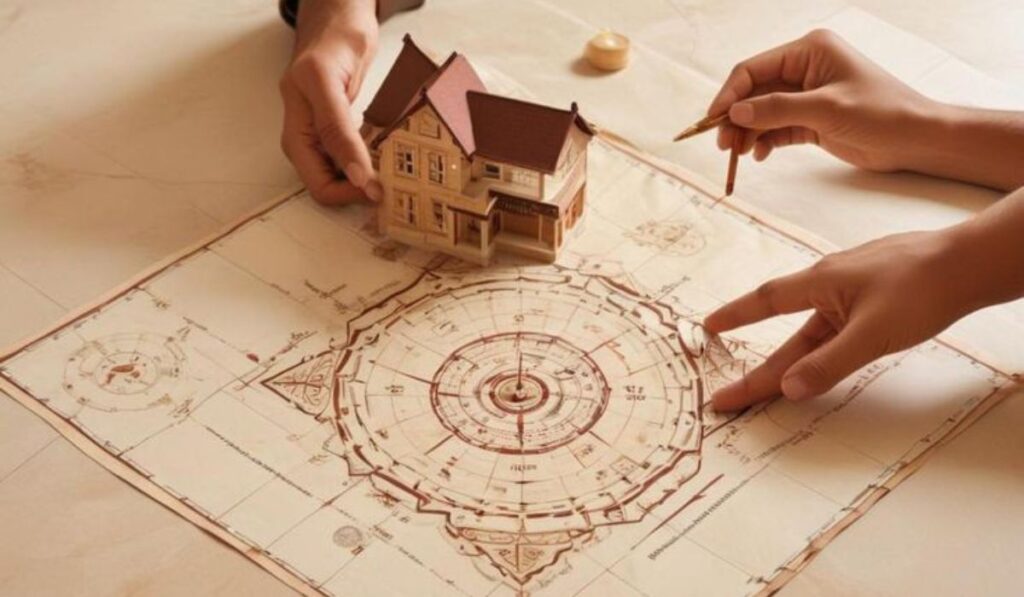
The word Vastu refers to a dwelling, land, or structure, while Shastra means a codified body of knowledge. Vastu Shastra, therefore, is the science of how structures interact with natural forces.
It studies:
- Directional energies
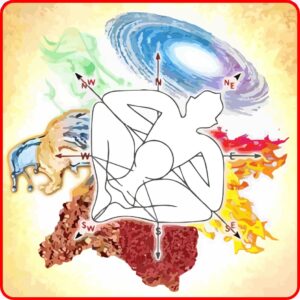
- The five elements
- Solar and magnetic influences
- Planetary associations
- Human interaction with space
Every building is treated as a living energy system. In classical texts, this is represented as Vastu Purusha, the energetic blueprint of a structure.
Vastu as an Environmental Science
Nature functions in balance. Forests, rivers, and mountains do not struggle to exist—they follow natural law. Human-made structures, however, often violate this balance through incorrect orientation, shape, or usage.
Vastu Shastra works by restoring this balance inside built environments. When a structure aligns with:
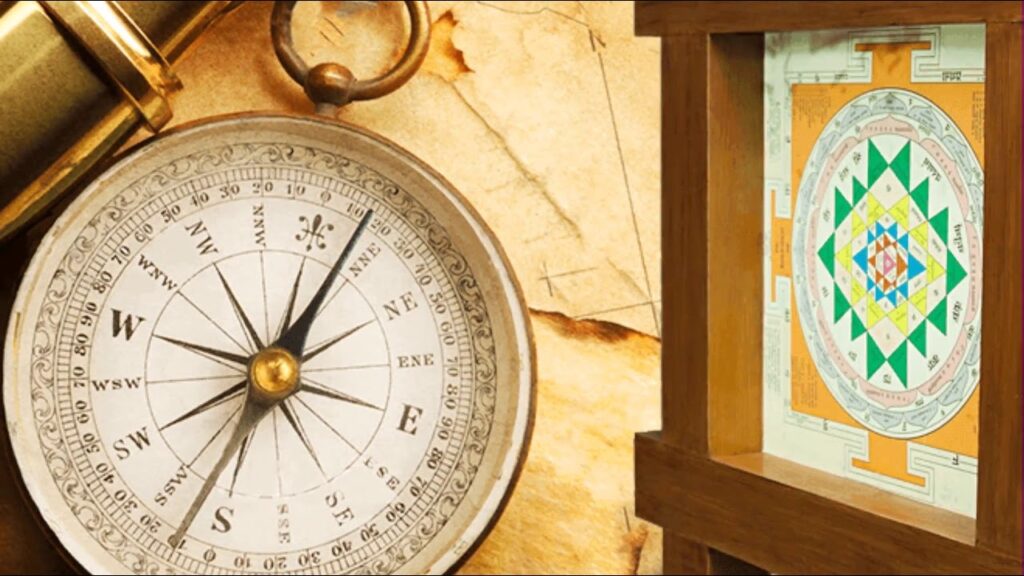
- Magnetic north
- Solar east
- Elemental zoning
Stress reduces automatically.
This reduction in stress reflects the following:
- Better health
- Improved decision-making
- Financial stability
- Emotional peace
What Vastu Is NOT
A crucial part of understanding Vastu is knowing what it is not.
Classical Vastu Shastra:
- Is not religion
- Is not superstition
- Does not require blind belief
- Does not rely on excessive gadgets
Fear-based interpretations weaken Vastu’s effectiveness. At Vastu Verma, Anil Verma emphasizes responsibility, clarity, and ethical application rather than dependence.
Why Vastu Still Matters Today
Modern architecture prioritizes convenience and aesthetics. While functional, many such spaces unknowingly create long-term stress. Over time, this stress manifests as the following:
- Fatigue despite effort
- Repeated financial obstacles
- Relationship strain
- Lack of clarity
Vastu Shastra complements modern design by adding the missing energetic dimension. It does not oppose technology; it aligns it with natural law.
Classical Approach at Vastu Verma
At Vastu Verma, consultations focus on the following:
- Structural corrections first
- Directional usage
- Minimal, meaningful remedies
- Long-term sustainability
Anil Verma’s approach avoids exaggeration and focuses on what genuinely supports life.
Vastu Shastra is a science of alignment, not fear. When understood and applied responsibly, it creates environments that support health, prosperity, and peace naturally. Its power lies not in instant change, but in stable, enduring transformation.
What Is Vastu Shastra?
Learn what Vastu Shastra truly is, how it works, and why classical Vastu creates long-term stability, prosperity, and peace
LAtest Blog Articles




Harness the Power of the Sword Through Vastu
Harness the Power of the Sword Through Vastu Shastra
06
Jul
Jul